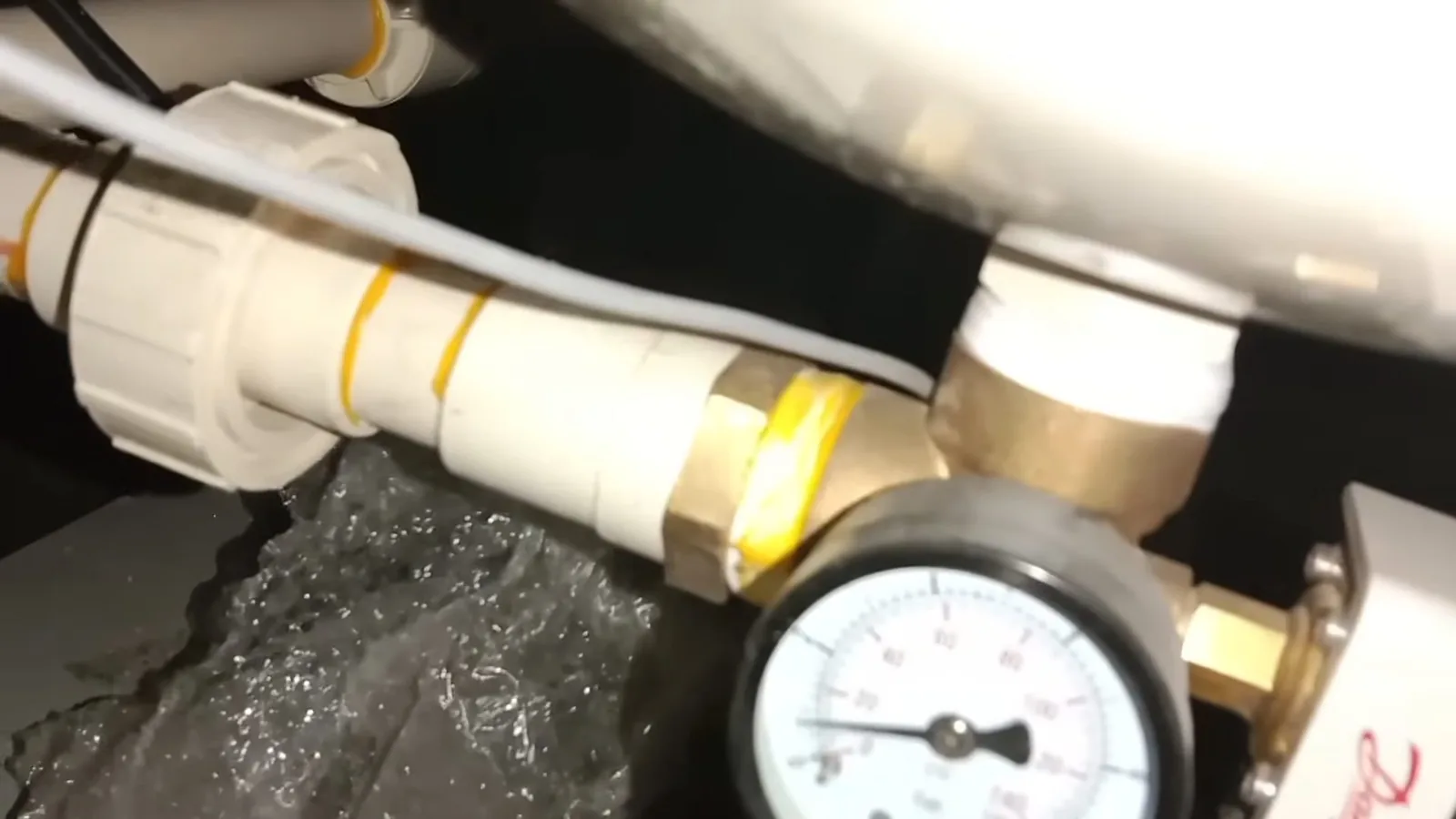
24/7 Emergency Line Open
Emergency Plumbing Leak Detection and Repair in Rio Verde
When you call about a leak, the dispatcher asks four things: where you see water, whether it is hot or cold, whether the water is shut off, and how the home gets its water. Those answers decide whether a plumber arrives to stop an active leak or to locate a hidden one, and they save time on site.
Call (480) 806-2944 All plumbing services
- Licensed and insured plumbers
- Same-day service when available
- 24/7 emergency dispatch
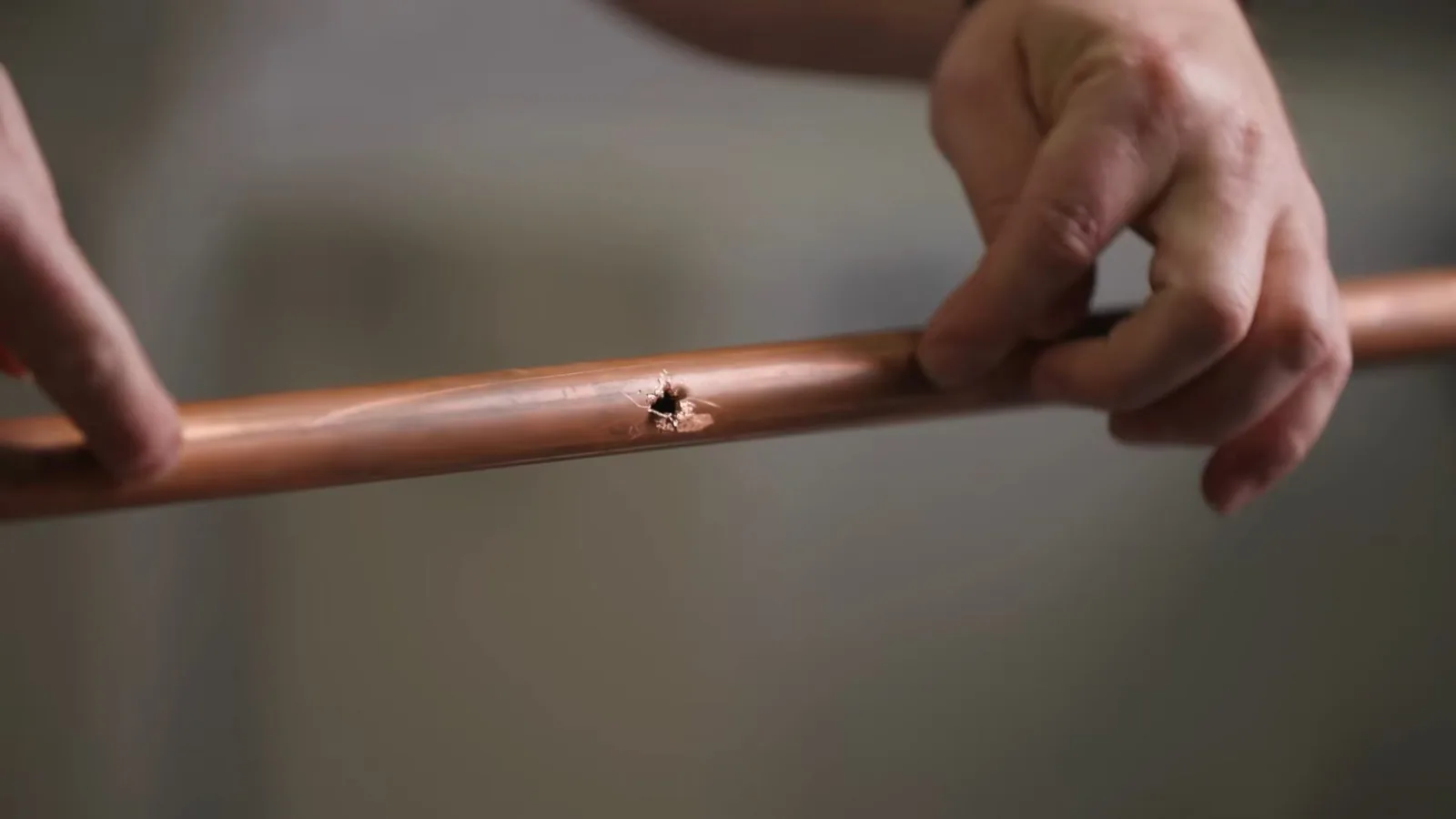
What a leak looks like before the damage shows
Most leaks announce themselves quietly. A water bill that climbs with no change in habits, a meter dial that creeps while every fixture is off, a patch of paint that bubbles, a musty smell in a closet or the sound of a trickle at night all point to water escaping where it should not.
- A meter that moves when every tap and appliance is off
- A bill well above the same month last year
- Warm or damp patches on a floor, wall or ceiling
- Pressure that drops at one fixture or across the whole house
- Hissing or dripping near the water heater or under a sink
- A storage tank that loses level when nothing is running
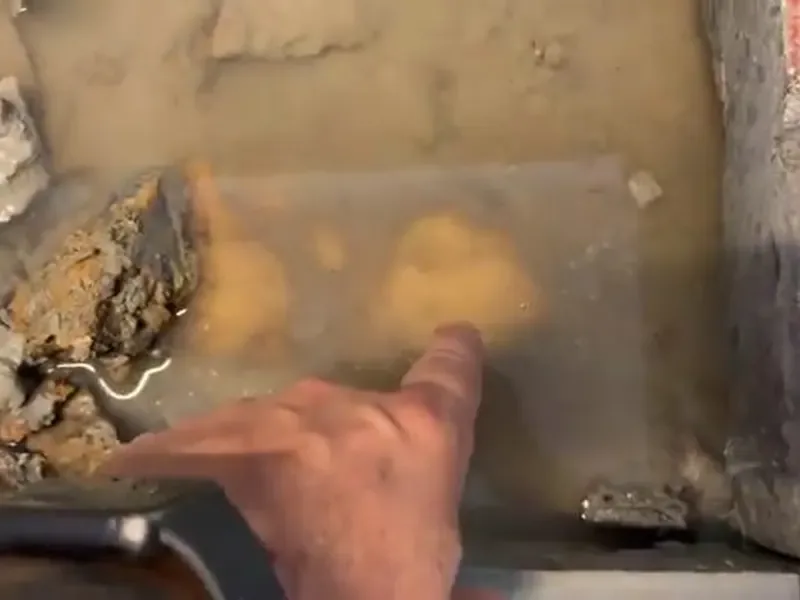
How the home gets its water changes how a leak shows up. A house on the EPCOR system has a meter you can read. A house on a private well may notice the pump starting more often than it used to, and a house filled from a storage tank may see the level drop with no use. Tell the dispatcher which setup you have, because it decides where the plumber starts.
Source: Maricopa County Flood Control District notice on Foothills water supply (accessed 2026-11-06).
| What you notice | Likely cause | First check |
|---|---|---|
| Meter moves with everything off | A leak between the meter and the fixtures, inside or outside the house | Close the main, watch the meter, then isolate zones one at a time |
| Damp spot on a wall | A pinhole in a supply line or a loose drain joint behind the wall | Moisture mapping and acoustic listening before any cutting |
| Warm area on the floor | A hot water line leaking beneath the floor covering | Pressure test of the hot side, then thermal imaging |
| Stain below a bathroom | A shower valve, supply connector or drain joint above | Test each fixture above the stain separately |
| Pressure falling across the house | A supply leak, a failing regulator or a partly closed valve | Static pressure reading at a hose connection |
Where a line runs depends on how the house was built, so confirm what you have first: a slab, a raised foundation or a crawlspace. That answer decides whether a plumber works from below or listens for the line from above, and the plumber confirms it on site.
How do you repair a leak once it is found?
The repair follows the location and the pipe. A single pinhole is cut out and replaced with a short new section. A failed joint is re-made, and a worn connector under a sink is swapped for a new one. When the same run keeps failing in different places, a plumber will usually raise replacing the whole run of pipe instead of patching it again.
Leaks at fixtures are the most common repair and the simplest to settle. A toilet that weeps at its base, a faucet that drips at the handle or a shower valve that seeps behind the wall each have their own fix, covered on the toilet, faucet and shower repair page.
What happens on the visit
- The plumber confirms the water is shut off and reads the meter.
- The leak is pinpointed with listening gear, a pressure test or a moisture map.
- Options are explained before any wall or floor is opened.
- The repair is made and pressure tested.
- Water is restored and the area is checked again for drips.
Water near outlets or a light fixture? Switch off power to that area at the breaker, but only if you can reach the panel without standing in water. Then call dispatch.
Active leaks are handled ahead of routine requests. If the water is already running, shut off the main valve first and phone (480) 806-2944.
Water on the floor right now? Shut the main and call.
Dispatch is open 24/7 and can talk you through the shutoff.
Call (480) 806-2944Leak detection in Rio Verde: finding the source without opening walls
Good detection keeps the cutting small. Acoustic listening devices pick up the sound of pressurized water escaping, thermal imaging shows the temperature trail of a hot water leak, and moisture meters outline wet material. Each tool narrows the search, and together they usually point to a spot a few inches wide.
Pressure and hydrostatic testing handle what listening cannot. The plumber caps off a section of pipe, pressurizes it and watches the gauge, so a falling needle confirms a leak in that section. Repeating the test on shorter sections shows which one it is.
Run a ten minute meter check
- Turn off every tap and appliance, including the ice maker and any softener.
- Note the meter reading, or the small low-flow dial that spins with tiny flows.
- Wait ten minutes without using water.
- Read the meter again. Any movement means water is leaking somewhere.
A hidden leak between the meter and the house shows up as a wet patch in the yard, a bill that keeps rising or low pressure at every fixture. Shutting the main inside the house and seeing the meter keep moving points to the outdoor run. Wall and ceiling leaks are traced back from the stain with moisture readings, because the damp spot is seldom beneath its source.
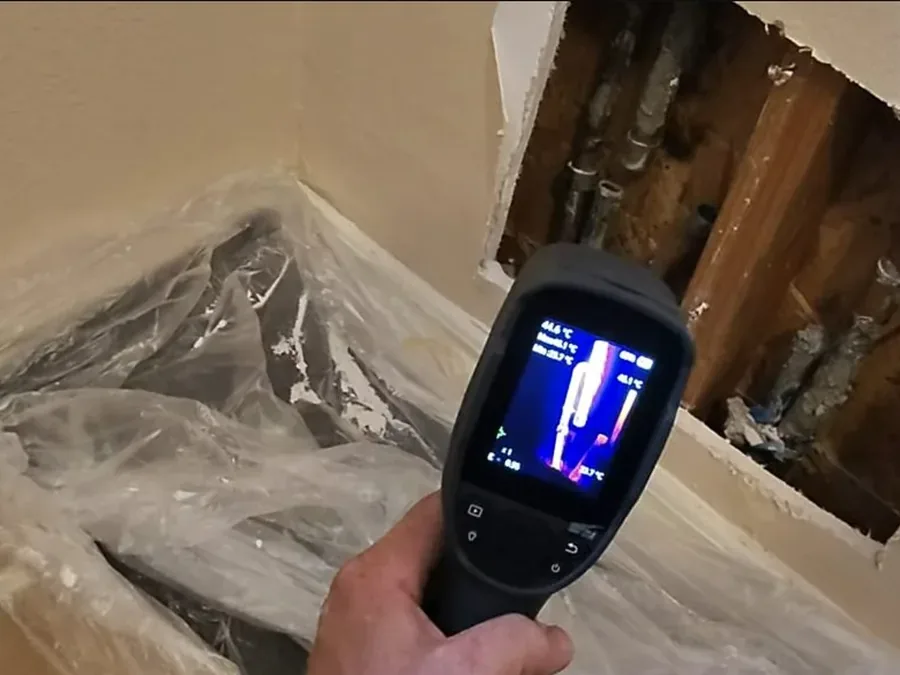
An underground leak on the supply line rarely announces itself. The signs are a water bill that creeps up month after month, a meter that moves with everything off, soft ground over the line and pressure that sags at the taps. A leak locator pairs acoustic listening with pressure testing to trace the leak to a short stretch of pipe, so the repair opens a small area and not the whole yard. The plumber can also pressure test the line and note a failing pressure regulator if the readings point there.
Sprinkler and irrigation systems are a separate trade, so call an irrigation contractor for leaks past the irrigation valve. Cleanup after a break, which is removal and drying only, is handled under water damage restoration.
A pipe condition check before the next leak
Secondary estimates of Census survey data place the typical house in ZIP 85263 around 1998 to 2000, so many houses are old enough for fixtures and connectors to be wearing out. Leaky ceilings causing water stains are a common first sign, and a yearly plumbing maintenance and inspections visit is a low-cost way to inspect for leaks before a stain appears. A plumbing inspection of this kind takes about the length of a service call and tells you what to watch.
- Visible supply lines and the material they are made of
- Shutoff valves under sinks and toilets, and whether they still turn
- Flexible supply connectors, which fail without warning
- Water heater fittings and the temperature and pressure relief line
- Static water pressure at an outdoor hose connection
- Hose bibs and the main shutoff, so you know where to reach in an emergency
Ask the plumber to write down the pipe material and the pressure reading. If the supply is old and leaks have appeared more than once, a water line repair or a larger repipe may be worth pricing before the next failure, and a leak that has gone unseen for months can mean a slab leak when the floor feels warm.
Not sure it is a leak? Describe it to dispatch.
A short call sorts a high bill or a damp smell into a real leak or a harmless cause.
Call (480) 806-2944Leak questions from Rio Verde homeowners
Can a leak under the house be found without tearing up floors?
Often yes. Acoustic listening, thermal imaging and pressure tests narrow the location before anything is opened. How the home is built matters, so confirm what you have first. A raised foundation or crawlspace lets a plumber work from below, while a concrete slab means locating the line from above. The plumber confirms the foundation type on site and explains the access plan before any cutting starts.
How is a leaking pipe repaired?
The repair depends on the pipe material, where the leak sits and how many times that run has failed. A single pinhole can be cut out and replaced with a short new section. A failed joint is re-made. When the same line keeps leaking in different places, replacing the whole run costs less trouble over time than chasing each failure. The plumber explains the options before work begins and pressure tests the repair before the water is restored.
Is the stain on my ceiling directly above the leak?
Not always. Water follows framing, pipes and insulation before it shows, so the visible stain can sit several feet from the source. A plumber traces the stain back with a moisture meter and by testing the fixtures above it one at a time. Switch off the water to the suspect fixture if you can, and keep the area under the stain clear in case the ceiling gives way.
Who handles a leak in a shared yard or common area?
The owner of the pipe decides who repairs it. If water is surfacing in a shared area, such as a common lot or a strip between homes, report it to the property manager or association first. A plumber can locate the leak and explain what is failing, but permission to dig comes from whoever owns that line, and the utility handles anything on its side of the meter.
Leak or wet spot in Rio Verde? Call now.
Tell dispatch where the water is and what you have shut off. Dispatch routes a plumber to the address, nights and weekends included.
- Licensed and insured plumbers
- Same-day service when available
- 24/7 emergency dispatch