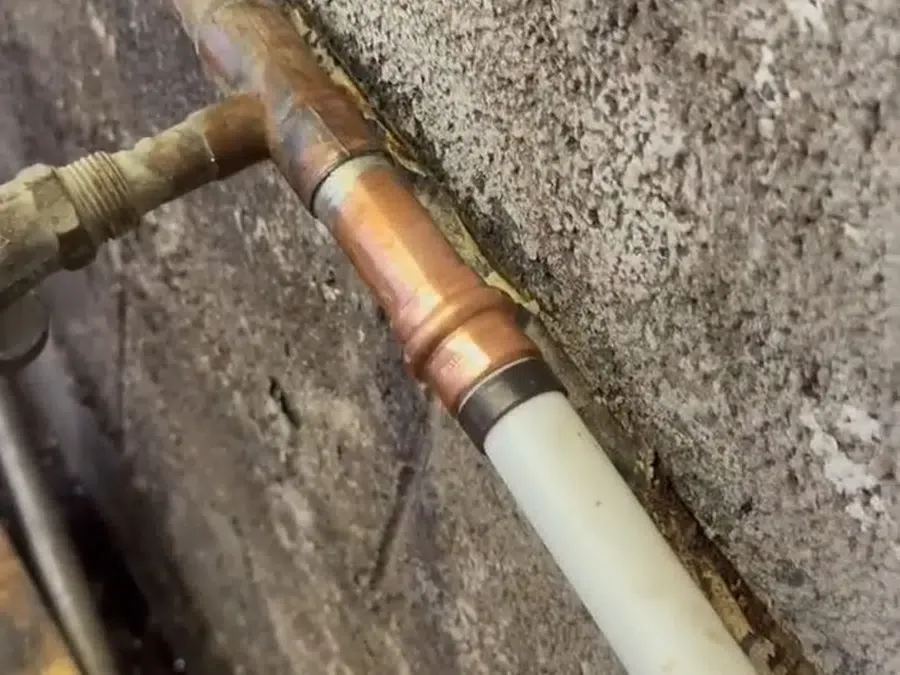
24/7 Emergency Line Open
Emergency Repiping and Pipe Repair in Rio Verde, AZ
One burst pipe is a repair. Three leaks in a year, at three different spots, is a message from the whole system. This page covers both: the emergency when a line lets go and the larger decision of whether the pipes are worth patching or replacing.
Call (480) 806-2944 All plumbing services
- Licensed and insured plumbers
- Same-day service when available
- 24/7 emergency dispatch
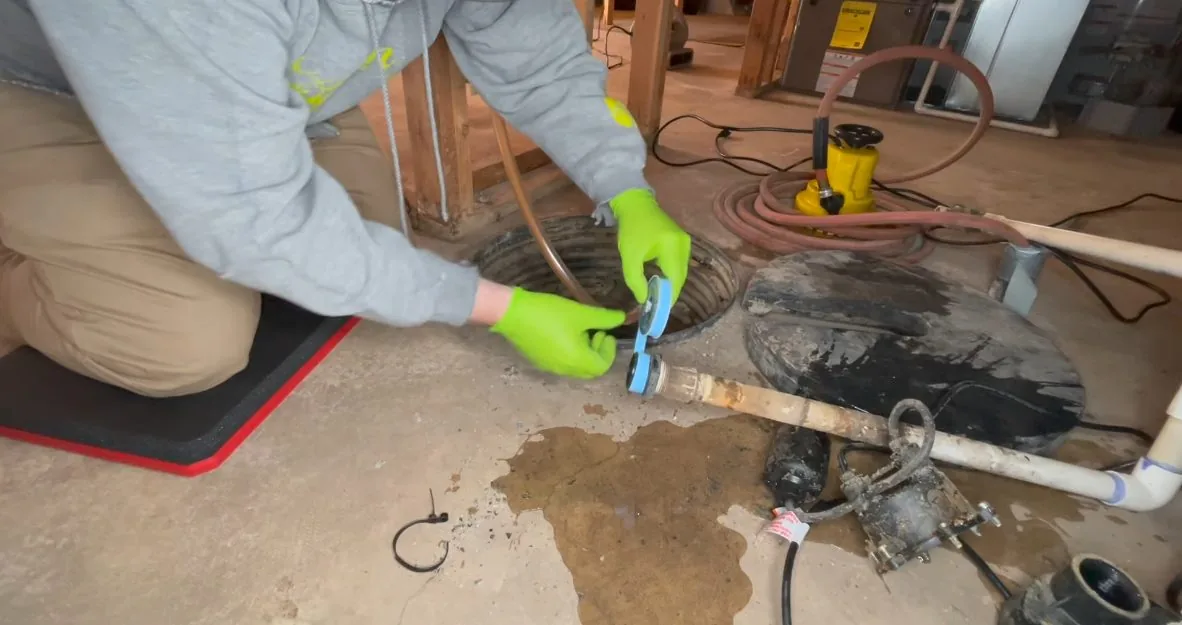
A burst pipe: the first ten minutes
Speed matters more than neatness when water is moving. A split in a supply line can release a lot of water in a short time, and the damage grows with every minute. Do the shutoff first, then the phone call.
- Close the main water valve, usually at the meter box or where the line enters the house.
- Open a low faucet to relieve pressure and drain the lines.
- Turn off power to wet areas if water is near outlets, and stay out of standing water near electrical equipment.
- Photograph the damage for your records and move belongings away from the water.
- Call dispatch and say which rooms are wet and which valves you closed.
If water is touching electrical outlets or the panel, leave the area and call for help. Do not stand in water near live equipment.
Cleanup after a break, which means removal and drying only, is covered under water damage drying and removal. A plumber stops the water and repairs the line first.
Repair or repipe: reading the pattern
The pattern of failures decides the plan. A single leak in a sound line is repaired where it sits. When leaks keep appearing, the pipe itself is the problem, and each patch only moves the next failure down the line.
| Pattern | What it suggests | Usual route |
|---|---|---|
| One leak, pipe otherwise sound | A local failure at a joint or fitting | Repair |
| Several leaks over a short time | A line wearing out along its length | Repipe the affected run |
| Discolored or metallic water | Corrosion inside the pipe | Test, then repipe if widespread |
| Low pressure at every fixture | Buildup narrowing the pipe | Inspect, repair or repipe |
| Pinhole leaks in copper | Pitting from the water chemistry | Repipe the affected lines |
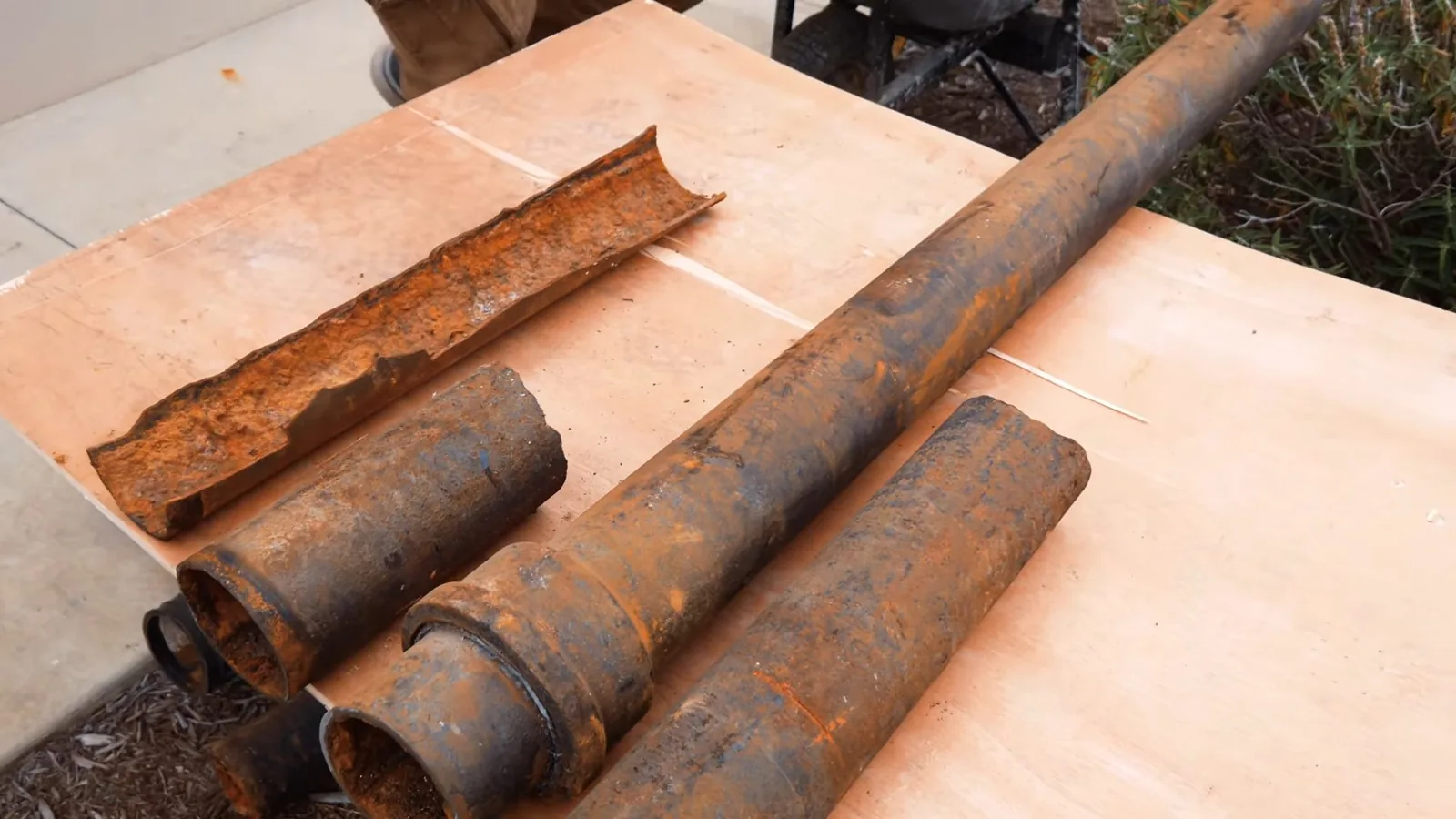
Ask the plumber to show the failed section and explain what they see inside it. A cut-open pipe tells the story better than any estimate. Water supply work outside the house is its own subject under water line to the house.
Pipe burst or leaking in several places? Call now.
The line is staffed day and night and walks you through the shutoff.
Call (480) 806-2944Whole house repiping: how it works
A repipe replaces the supply lines that feed the fixtures with new pipe, usually copper or PEX. The plumber maps the lines, opens small access holes in the walls where needed and runs new pipe to each fixture. The water is off for part of each day, and the wall openings are patched afterward.
- Copper: long proven, strong, and sensitive to certain water chemistry
- PEX: flexible, quick to install, and good at handling movement
- Fittings and valves replaced as part of the run
- A pressure test before the walls are closed
- Wall patching, with finish painting handled separately
A repipe is a planned project, so take your time choosing the material and the schedule. When a line has just burst, the first job is a repair to get the water back, and the repipe decision can follow.
What the home and the water say about your pipes
By secondary estimates the typical house in ZIP 85263 dates from roughly 1998 to 2000, so many homes are old enough for the first signs of wear in fittings and connectors. That is an estimate and not a diagnosis, because the pipe material depends on the individual house.
Water chemistry matters. For the Rio Verde supply, EPCOR's 2022 hardness figure is 11 grains per gallon, and hard water leaves scale that narrows pipe over time. Homes on private wells or hauled water have different water, so a plumber should test what comes out of your tap before assuming the figure applies.
Source: EPCOR annual water report for Rio Verde (accessed 2026-11-06).
Cold nights and exposed outdoor pipes
Freezing is rare here, but it is not unknown. The Fountain Hills Fire Station recorded 28 degrees on January 8, 2024 and 34 degrees on January 9, 2025, and freeze warnings have covered Fountain Hills and Carefree. Pipes inside the house are protected, while outdoor spigots and exposed supply runs are not.
Source: Maricopa County Flood Control District Fountain Hills climate report (accessed 2026-11-06).
On a cold night, disconnect hoses, cover exposed outdoor pipes and open a tap slightly if a hard freeze is forecast. Sprinkler pipes belong to a different trade, an irrigation contractor.
Frozen pipes and the leaks that follow
A frozen pipe is not always a split pipe. Ice can block flow for hours and burst nothing, but when the ice thaws a hidden crack can start leaking. Frozen pipes leading to leaks follow a pattern: a pipe that was frozen, then thawed, then started leaking or running. Frozen pipe repair means finding the split, cutting out the damaged section and replacing it with new pipe and fittings.
Repiping specialists look at the pipework as a system. Leaks and pipework problems that return, premature wear on plumbing components and broken pipes in several rooms suggest the whole line is aging. An honest repair or repipe answer rests on pressure readings and a look at the failed section, not on the size of the job.
Repiping questions answered
How do I know if I need a whole house repipe or just a repair?
Repeated leaks in different places, discolored water, low pressure across the whole house and pipe that is visibly corroded or brittle all point toward repiping. A single leak in an otherwise sound line is a repair. A plumber tests pressure and inspects accessible pipe before recommending either.
What should I do when a pipe bursts?
Shut off the main water valve first, then open a low faucet to drain the lines. Switch off the power to wet areas if water is near outlets or the electrical panel. Move valuables out of the water and call dispatch. Take photos before cleanup for your records.
How long does a repipe take, and can I stay in the house?
A whole house repipe commonly takes a few days, with water shut off for part of each day. Most households stay in the house. The plumber explains the schedule so you can plan around the shutoff windows and the wall patching that follows.
Which pipe material is used for repiping?
The common choices are copper and PEX. Copper is durable and well proven, and PEX is flexible, faster to install and handles movement well. The plumber discusses which fits your house, your water and your budget before choosing.
Do pipes freeze in Rio Verde?
Rarely, but it has happened. Freeze warnings have covered the Fountain Hills and Carefree area, and exposed outdoor pipes and hose bibs are the vulnerable points. Insulating them and shutting off outdoor lines on a cold night is low-cost protection.
Pipes failing and not sure how far it goes? Ask dispatch.
Pressure testing and a look at the failed section come first, then the options.
Call (480) 806-2944Burst or failing pipe in Rio Verde? Call now.
Name the wet rooms and the valves you closed, and the plumber arrives knowing whether to bring repair parts or a repipe plan.
- Licensed and insured plumbers
- Same-day service when available
- 24/7 emergency dispatch